
Differences between “Certificado de Antiguedad” and “Certificate of Habitation”

When buying, legalizing, or registering a property in Spain, understanding the difference between the “Certificado de Antigüedad” and the “Certificate of Habitation” (also called Licencia de Ocupación) is essential. Both are often required in property transactions, but they serve different purposes and are issued by different authorities. Below we explain what each certificate is, […]
Understanding DAFO – Legalization of properties in Andalucia

Legalization of properties without building license in Andalucia Introduction: The Landscape of Construction in Andalucía Andalucía, a region known for its rich cultural heritage, stunning landscapes, and historical architecture, has also seen significant growth in construction over the past decades. This growth includes not only new developments but also a variety of properties built outside […]
Understanding Urban Land in Spain: Consolidated, Non-Consolidated, and Semi-Consolidated Plots
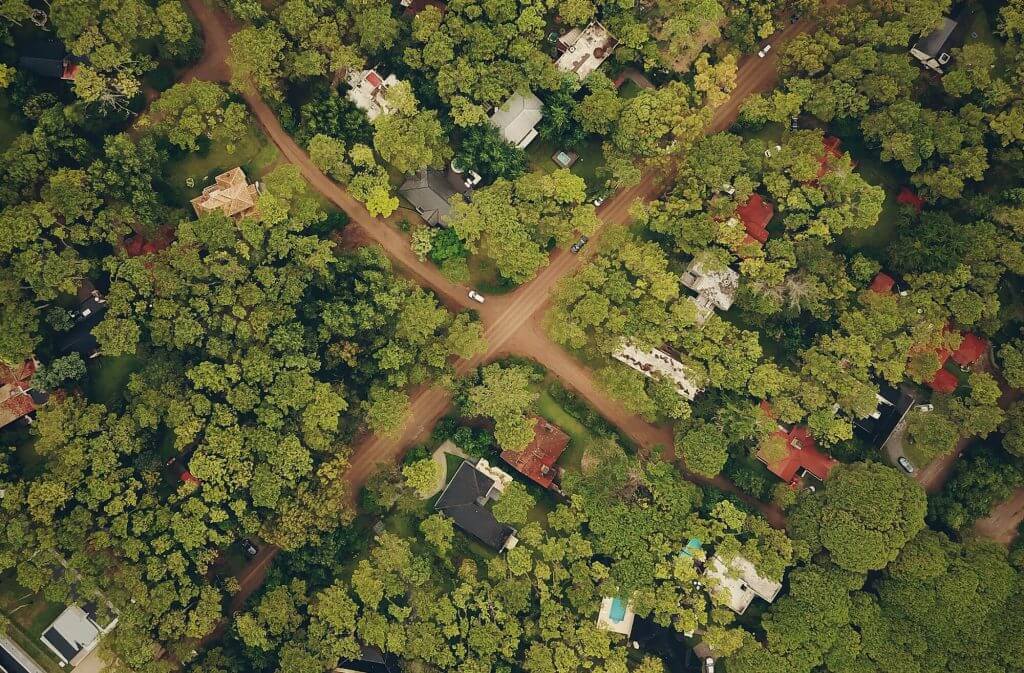
In previous reports, we have outlined the differences between urban land and rustic land in Spain. However, when it comes to urban land, it is essential to understand that not all urban plots are equal in terms of legal certainty, development rights, and obligations towards local authorities. This report aims to provide a detailed […]
Increase of previous years Council Tax (IBI) for undeclared constructions

When you own a property in Spain, it’s crucial to ensure that all constructions, including any extensions or modifications, are properly declared to the Cadastre (Catastro), the official register of property for tax purposes. Failing to do so can lead to unexpected tax adjustments and financial liabilities, particularly when you decide to sell the property. […]
Legalization of constructions-extensions-update deeds

[vc_row][vc_column][vc_column_text]It is really common in practice that owners of properties, after acquisition, have made new buildings on their properties, or new extensions. For example, a pool, a garage, an outside kitchen or toilette, or a second floor. When this happens, it is necessary to legalize these constructions with a two main actions: Updating deeds, and registering […]